
Clivias – True South African Spring Treasures

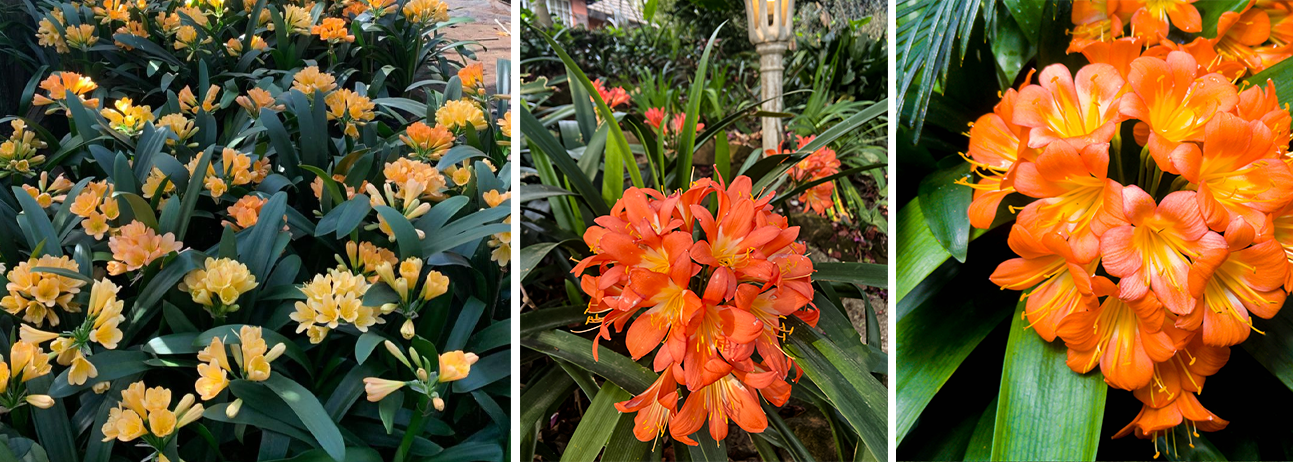
PICTURED ABOVE: COLBOURNE FARM IN THE MIDLANDS – ONE OF THE FEATURED OPEN MIDLANDS GARDENS IN 2024
When spring arrives in South Africa, few plants put on a show quite like the Clivia. With their bold clusters of trumpet-shaped flowers in shades of fiery orange, peach or creamy yellow, clivias light up shady corners and bring instant elegance to any garden.
Native to the forest margins of KwaZulu-Natal and the Eastern Cape, these resilient perennials are perfectly at home in our gardens. They thrive in dappled shade, making them ideal for planting under trees or along shaded pathways where other flowers may struggle. Their broad, strappy leaves stay lush all year round, ensuring that even when not in bloom, clivias provide structure and greenery.
Spring is when clivias truly shine. Their long-lasting blooms add drama to mass plantings, create striking focal points in containers and bring a touch of wild beauty indoors when cut for floral displays. Even better, they’re water-wise, low-maintenance and attract very little pest attention. A dream combination for gardeners of all experience levels.
With more colours and hybrids now available than ever before, clivias are no longer just the traditional orange favourites (though those remain iconic). Yellow and peach cultivars add fresh twists to the palette, while breeding programmes continue to bring exciting new shades into the spotlight.
This spring, consider adding a clivia or two to your garden — they’re not only an investment in seasonal beauty but also a celebration of one of South Africa’s most beloved indigenous plants.
Top tip: For maximum impact, plant clivias in bold groups beneath trees or large shrubs, where their vibrant flowers will glow against a backdrop of deep green shade.
Planting & Caring for Your Clivia
Where to plant:
Clivias prefer dappled shade or morning sun with afternoon protection.
They’re perfect for under trees, along shaded walls, or in large pots.
Soil:
Use well-draining soil enriched with compost.
Avoid planting in soggy areas — clivias dislike waterlogged roots.
Watering:
Water regularly in spring and summer, keeping the soil lightly moist.
In winter, reduce watering and allow the plants to rest.
Feeding:
In spring, feed with a balanced fertiliser to encourage lush growth and flowers.
A liquid fertiliser every 3-4 weeks during flowering will keep blooms at their best.
General care:
Remove spent flower stems once blooming is finished.
Avoid disturbing clumps too often. Clivias like to stay in one place.
Every few years, lift and divide mature clumps to create new plants.
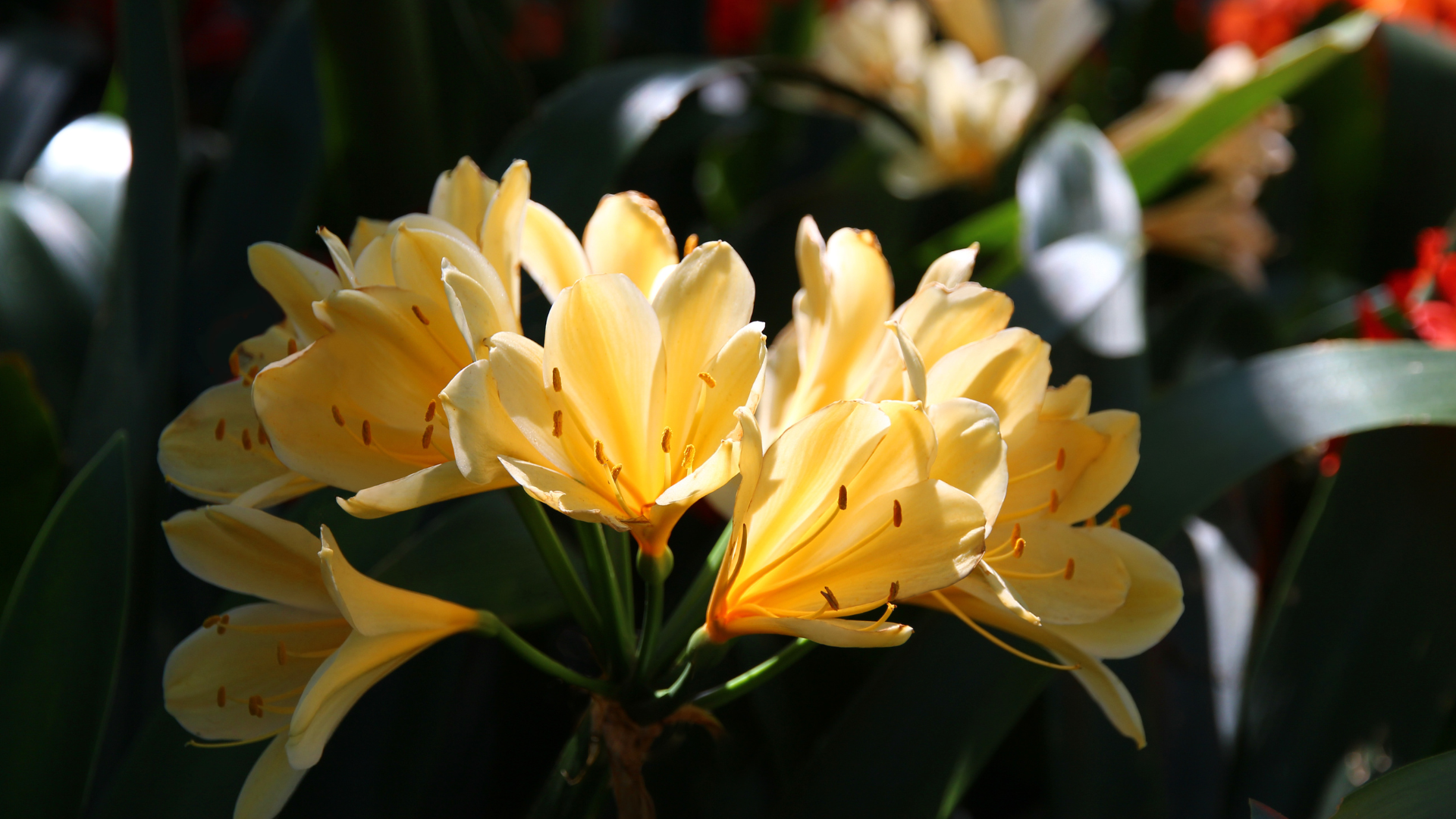
Clivias are long-lived and only get better with age — a true investment plant for your garden.